
Understanding the severe health implications of damp and mould exposure is crucial for social housing providers, BTR operators, and PBSA managers, particularly following the tragic circumstances that led to Awaab’s Law and its emphasis on tenant health protection.
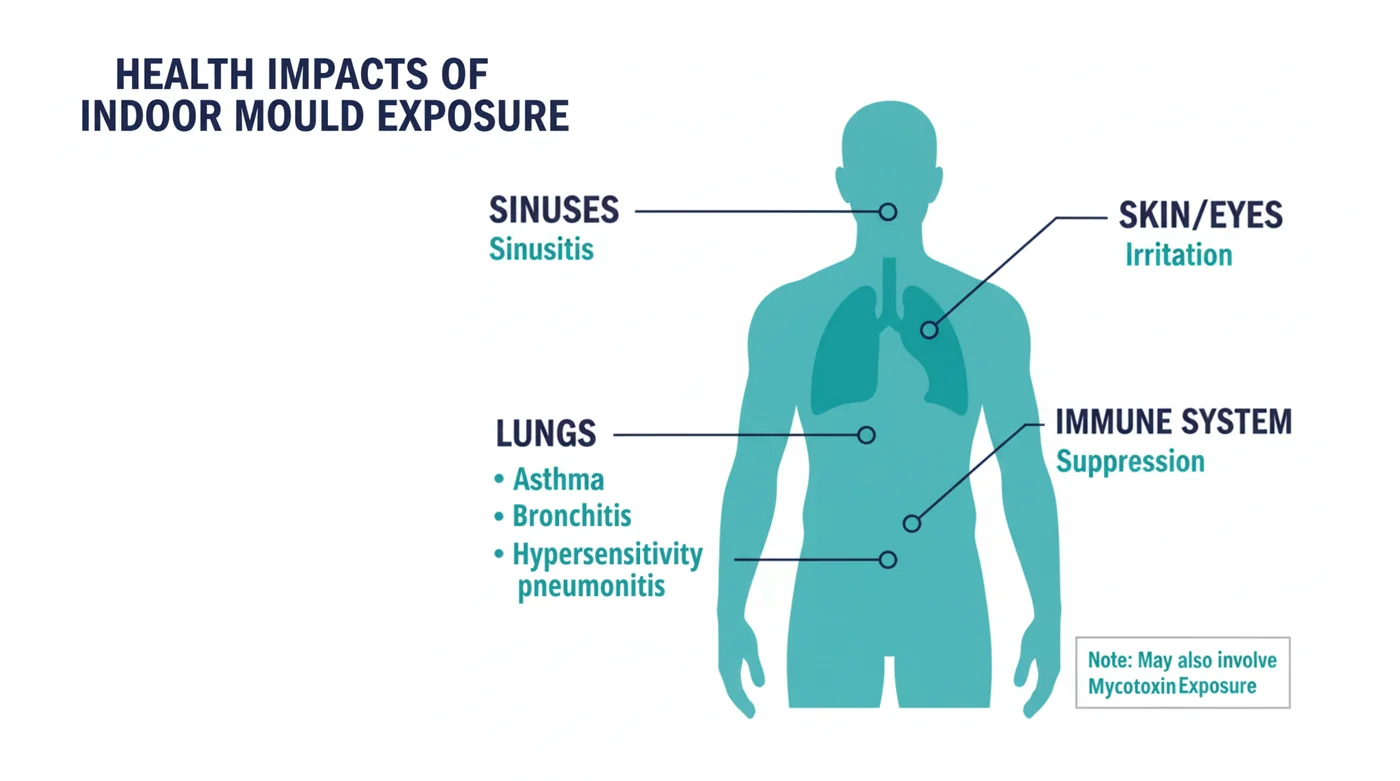
The Devastating Health Impact of Mould Exposure
The health consequences of damp and mould exposure extend far beyond surface-level inconvenience, representing serious medical threats that can permanently damage respiratory health, compromise immune system function, and trigger life-threatening conditions in vulnerable populations. Medical research demonstrates that prolonged exposure to indoor mould can cause irreversible lung damage, with children being particularly susceptible due to their developing respiratory systems and higher breathing rates relative to body weight, resulting in increased mould spore inhalation per kilogram of body weight compared to adults.
Contemporary understanding of mould-related health impacts reveals a complex web of interconnected physiological responses that affect multiple bodily systems simultaneously. Beyond immediate respiratory symptoms, chronic mould exposure can trigger neurological problems including cognitive impairment, memory loss, and mood disorders, whilst compromising immune system function leads to increased susceptibility to secondary infections and delayed recovery from common illnesses. For property operators managing vulnerable populations including elderly residents, young families, and students, understanding these health implications becomes essential for duty of care compliance and risk management strategies.
Critical Health Alert: Vulnerable Populations
Children under 5 years, adults over 65, pregnant women, and individuals with existing respiratory conditions face exponentially higher health risks from mould exposure, with potential for permanent respiratory damage occurring within weeks of exposure to toxic mould species.
Respiratory System Damage and Long-Term Consequences
Mould exposure primarily targets the respiratory system through inhalation of microscopic spores that penetrate deep into lung tissue, causing both immediate and long-term health effects that can persist long after exposure cessation. Acute respiratory responses include persistent coughing, wheezing, chest tightness, and shortness of breath, whilst chronic exposure leads to irreversible conditions including asthma development, allergic bronchopulmonary aspergillosis (ABPA), and hypersensitivity pneumonitis that permanently reduces lung capacity and respiratory function.
The mechanism of mould-induced respiratory damage involves inflammatory responses triggered by immune system recognition of mould spores as foreign invaders, resulting in chronic inflammation that damages delicate lung tissue over time. Certain mould species including Aspergillus, Stachybotrys (black mould), and Penicillium produce mycotoxins—toxic compounds that directly damage cellular structures and can cause chemical pneumonitis, a severe inflammatory condition that can prove fatal without immediate medical intervention. Student accommodation and social housing residents often experience delayed diagnosis of mould-related respiratory conditions due to symptoms being attributed to common colds or seasonal allergies, allowing progressive lung damage to continue unabated.
| Mould Species | Health Impact | Vulnerable Groups | Severity Level |
|---|---|---|---|
| Aspergillus niger | Respiratory infection, ABPA | Immunocompromised, asthmatic | High |
| Stachybotrys chartarum | Mycotoxin poisoning, lung bleeding | Children, elderly | Severe |
| Penicillium | Allergic reactions, sinusitis | Allergic individuals | Moderate |
| Cladosporium | Asthma triggers, skin irritation | Asthmatic children | Moderate |
Immune System Suppression and Secondary Health Effects
Chronic mould exposure systematically weakens immune system function through multiple pathways, creating a cascade of health problems that extend far beyond respiratory symptoms. Mycotoxin exposure suppresses white blood cell production and function, reducing the body’s ability to fight infections and increasing recovery time from common illnesses. This immunosuppression proves particularly dangerous for residents in high-density housing including student accommodation and social housing, where infectious diseases can spread rapidly through communities with compromised immune systems.
The relationship between mould exposure and immune system dysfunction manifests in increased susceptibility to bacterial and viral infections, delayed wound healing, and heightened allergic responses to environmental triggers beyond mould itself. Research indicates that children exposed to indoor mould during critical developmental periods experience higher rates of asthma development, food allergies, and autoimmune conditions that persist into adulthood. For property operators, understanding these long-term health consequences emphasises the critical importance of prevention strategies and rapid remediation when problems occur, as detailed in our comprehensive guide on preventing damp and mould in rental properties.
Neurological and Cognitive Health Impacts
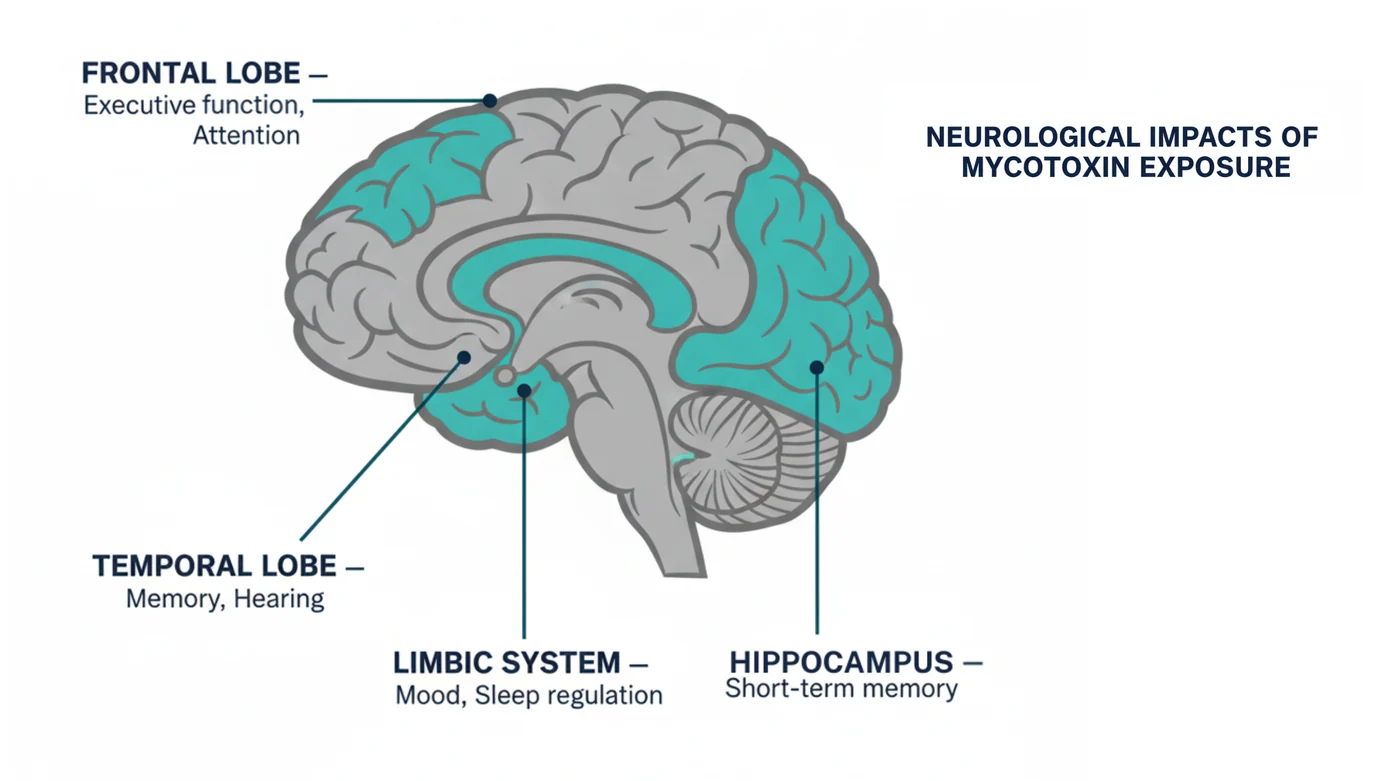
Emerging medical research reveals significant neurological consequences of mould exposure that extend beyond traditional respiratory and allergic responses, encompassing cognitive impairment, memory problems, mood disorders, and behavioural changes particularly concerning for student populations and elderly residents. Mycotoxins produced by certain mould species can cross the blood-brain barrier, directly affecting brain tissue and neurotransmitter function, leading to symptoms including difficulty concentrating, memory loss, irritability, depression, and in severe cases, seizures and neurological damage.
The neurological impact of mould exposure proves particularly insidious because symptoms often develop gradually and may be attributed to stress, academic pressure, or normal aging processes rather than environmental toxin exposure. Students living in mould-contaminated accommodation may experience declining academic performance, increased absenteeism, and behavioural problems that correlate directly with mould exposure levels. Elderly residents in social housing may experience accelerated cognitive decline, increased fall risks due to balance problems, and mood changes that impact quality of life and social interaction, creating additional care requirements and family distress.
Neurological Symptoms of Mould Exposure:
- Cognitive Impairment: Memory problems, difficulty concentrating, reduced processing speed
- Mood Disorders: Depression, anxiety, irritability, personality changes
- Physical Symptoms: Headaches, dizziness, balance problems, tremors
- Sleep Disturbances: Insomnia, nightmares, restless sleep patterns
- Behavioural Changes: Aggression, social withdrawal, academic decline
Vulnerable Population Risk Assessment
Certain demographic groups face dramatically elevated health risks from mould exposure, requiring targeted protection strategies and enhanced monitoring protocols within property portfolios. Children under five years represent the highest risk category due to rapidly developing respiratory and immune systems, higher breathing rates, and increased time spent in indoor environments where mould exposure occurs. Pregnant women face risks including pregnancy complications, premature birth, and potential developmental impacts on unborn children, whilst elderly residents experience accelerated decline in existing health conditions and reduced capacity to recover from mould-induced illness.
Individuals with pre-existing respiratory conditions including asthma, COPD, or allergies experience severe symptom exacerbation when exposed to indoor mould, often requiring emergency medical intervention and hospitalisation. Immunocompromised individuals including cancer patients, organ transplant recipients, and those with autoimmune conditions face life-threatening invasive fungal infections that can prove fatal even with aggressive medical treatment. Understanding these vulnerability profiles enables property operators to implement risk-based assessment strategies and prioritise prevention efforts in properties housing high-risk populations.
| Population Group | Primary Health Risks | Exposure Threshold | Intervention Priority |
|---|---|---|---|
| Children (0-5 years) | Asthma development, lung damage | Any visible mould | Immediate |
| Pregnant Women | Pregnancy complications, birth defects | Any mould exposure | Immediate |
| Elderly (65+ years) | Respiratory infections, cognitive decline | Moderate mould levels | High |
| Immunocompromised | Invasive fungal infections | Any mould presence | Critical |
Awaab’s Law and Health Protection Obligations
The tragic death of two-year-old Awaab Ishak from mould-induced respiratory failure fundamentally changed the legal landscape surrounding tenant health protection in social housing, establishing clear statutory obligations for rapid assessment and remediation of damp and mould hazards. Awaab’s Law recognises that mould exposure constitutes a Category 1 hazard under the Housing Health and Safety Rating System, requiring immediate action to protect tenant health rather than delayed responses that allow continued exposure and progressive health deterioration.
The legislation emphasises the critical importance of understanding health risks when assessing remediation priorities, with vulnerable populations requiring immediate temporary rehousing during major mould remediation works. Property operators must demonstrate competency in health risk assessment, documentation of vulnerable residents, and implementation of appropriate protection measures during remediation periods. The legal framework extends beyond social housing through duty of care obligations affecting BTR operators and PBSA managers, who must implement comparable health protection standards to demonstrate reasonable care for tenant welfare. For comprehensive guidance on meeting these legal obligations, reference our detailed analysis of Awaab’s Law compliance requirements.
Health-Based Remediation Priorities:
Under Awaab’s Law, remediation priorities must consider health risks, with properties housing vulnerable populations receiving immediate intervention regardless of mould extent. Temporary decanting may be required for severe cases to prevent continued health deterioration during remediation works.
Long-Term Health Monitoring and Support Strategies
Effective property management increasingly recognises the importance of long-term health monitoring for residents who have experienced mould exposure, implementing follow-up protocols that track health outcomes and provide appropriate support for ongoing medical needs. Research indicates that health impacts from significant mould exposure can persist for years after remediation, requiring continued medical surveillance and support for affected residents, particularly children who may experience delayed onset of respiratory conditions including asthma development occurring months or years post-exposure.
Property operators implementing comprehensive health monitoring protocols demonstrate enhanced duty of care whilst gathering valuable data on the effectiveness of remediation strategies and prevention programmes. Collaboration with local healthcare providers enables early identification of mould-related health problems, facilitating prompt medical intervention that can prevent progression to more serious conditions. Understanding the long-term health implications of mould exposure reinforces the critical importance of prevention-focused strategies that eliminate exposure risks before health impacts occur, as outlined in our guide on effective tenant communication about damp and mould risks.
Ready to take control of damp & mould risks in your portfolio? Discover proven tools for compliance and tenant protection.
Frequently Asked Questions
Related Resources
For comprehensive guidance on related topics, explore our additional resources:
- What Causes Damp and Mould in UK Homes? A Comprehensive Guide for Property Portfolio Operators
- Condensation vs Damp: Essential Diagnostic Guide for Property Portfolio Operators
- Awaab’s Law Explained: Essential Compliance Guide for Property Portfolio Operators
- How to Prevent Damp and Mould in Rental Properties: A Complete Guide