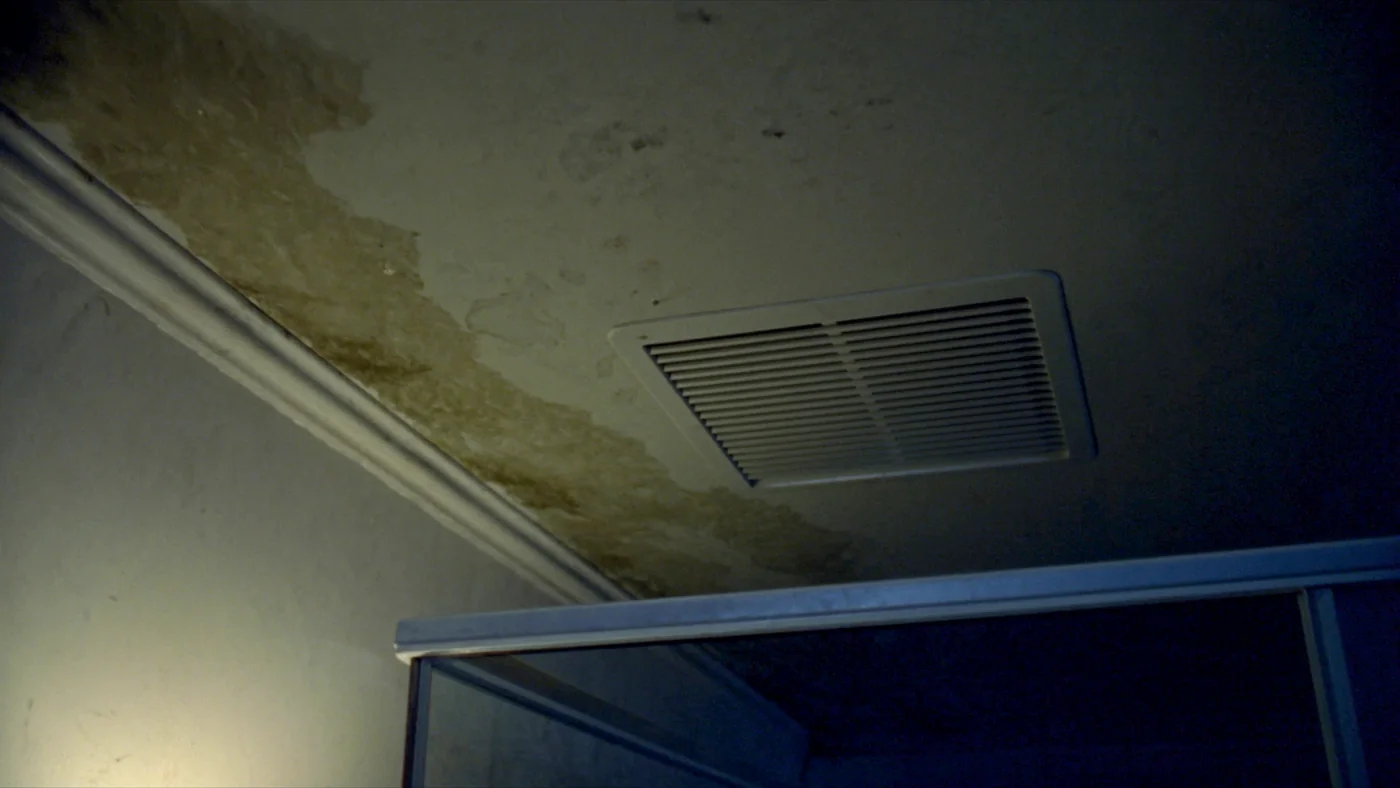
Successful damp and mould management depends on effective tenant communication strategies that build trust, promote understanding, and encourage proactive engagement with prevention measures and early problem reporting across social housing, BTR, and PBSA portfolios.

Building Trust Through Transparent Communication
Effective tenant communication about damp and mould begins with establishing trust through transparent, honest dialogue that acknowledges the seriousness of health risks whilst demonstrating genuine commitment to tenant welfare and property improvement. The shadow of high-profile cases including Awaab Ishak’s tragic death means tenants approach moisture-related issues with heightened concern and potential distrust of landlord responses, requiring sensitive communication approaches that validate concerns whilst providing reassurance about remediation capabilities and commitment levels.
Trust-building requires consistent messaging across all communication channels, with frontline staff, management teams, and contractors delivering coordinated responses that demonstrate organisational competency and dedication to health protection. Transparency involves sharing information about building characteristics, known vulnerabilities, ongoing improvement programmes, and realistic timeframes for addressing identified issues. When problems occur, honest acknowledgment combined with clear action plans and regular progress updates maintains tenant confidence whilst demonstrating regulatory compliance under Awaab’s Law obligations. Effective communication recognises that trust, once lost through poor handling of moisture-related issues, proves extremely difficult to rebuild and can permanently damage tenant-landlord relationships.
Trust-Building Communication Principles
Successful communication strategies prioritise transparency, consistency, empathy, and action-oriented responses that demonstrate genuine commitment to tenant health protection. Trust develops through reliable delivery of commitments, honest acknowledgment of challenges, and visible investment in problem resolution.
Tailored Messaging for Different Tenant Demographics
Effective communication strategies recognise the diverse demographic profiles across rental property portfolios, with different tenant groups requiring tailored messaging approaches that address specific needs, concerns, and communication preferences. Student accommodation populations typically require education-focused messaging that builds understanding of independent living responsibilities whilst addressing mobility patterns that may limit long-term property care investment. Young professionals in BTR properties often prioritise convenience and expect digital communication channels with rapid response capabilities that align with contemporary lifestyle expectations.
Older social housing residents may prefer traditional communication methods including face-to-face discussions, written materials, and telephone contact, combined with messaging that emphasises health protection for vulnerable populations and family members. Families with children require particular sensitivity given heightened health risks and parental concerns about child welfare, necessitating clear information about health implications, immediate protection measures, and timelines for resolution. Cultural and linguistic diversity within tenant populations may require multilingual materials and culturally sensitive messaging that acknowledges different housing expectations and maintenance traditions.
| Tenant Demographic | Primary Concerns | Preferred Communication | Key Messages |
|---|---|---|---|
| Students (18-25) | Health risks, academic impact | Digital platforms, video content | Prevention education, early reporting |
| Young Professionals (25-35) | Convenience, rapid resolution | Mobile apps, email updates | Proactive management, quick response |
| Families with Children | Child health, safety priorities | Multiple channels, regular contact | Health protection, immediate action |
| Elderly Residents (65+) | Health vulnerability, security | Personal contact, written materials | Care provision, support availability |
Educational Content Development and Delivery
Comprehensive education programmes require carefully crafted content that balances technical accuracy with accessibility, ensuring tenants understand both the scientific principles underlying damp and mould formation and practical prevention measures they can implement in daily living activities. Content development should address common misconceptions about moisture-related problems whilst providing actionable guidance that empowers tenants to contribute effectively to prevention efforts. The complexity of building physics and environmental interactions requires simplified explanations that maintain accuracy whilst remaining comprehensible to diverse educational backgrounds.
Modern educational content utilises multiple formats including written guides, video demonstrations, interactive digital platforms, and infographic materials that accommodate different learning preferences and accessibility requirements. Video content proves particularly effective for demonstrating practical techniques including proper ventilation usage, moisture management during daily activities, and early problem recognition skills. Interactive digital platforms can provide personalised guidance based on property characteristics, occupancy patterns, and previous history, whilst gamification elements encourage engagement and knowledge retention among younger demographics. Regular content updates ensure messaging remains current with evolving best practices and regulatory requirements. For deeper understanding of underlying technical principles, tenants can access our comprehensive guide on what causes damp and mould in UK homes.
Educational Content Components:
- Prevention Techniques: Daily practices reducing moisture generation and promoting air circulation
- Recognition Skills: Early identification of moisture problems before serious development
- Reporting Procedures: Clear pathways for problem notification and follow-up
- Health Information: Understanding risks and protection measures for vulnerable populations
- Maintenance Cooperation: Supporting professional assessment and remediation activities
Digital Communication Platforms and Technology Integration
Contemporary tenant communication increasingly relies on digital platforms that provide convenient, accessible channels for information sharing, problem reporting, and ongoing dialogue between tenants and property management teams. Mobile applications designed specifically for property management enable tenants to report moisture-related concerns with photographic evidence, receive status updates on remediation progress, and access educational resources tailored to their specific property characteristics and circumstances.
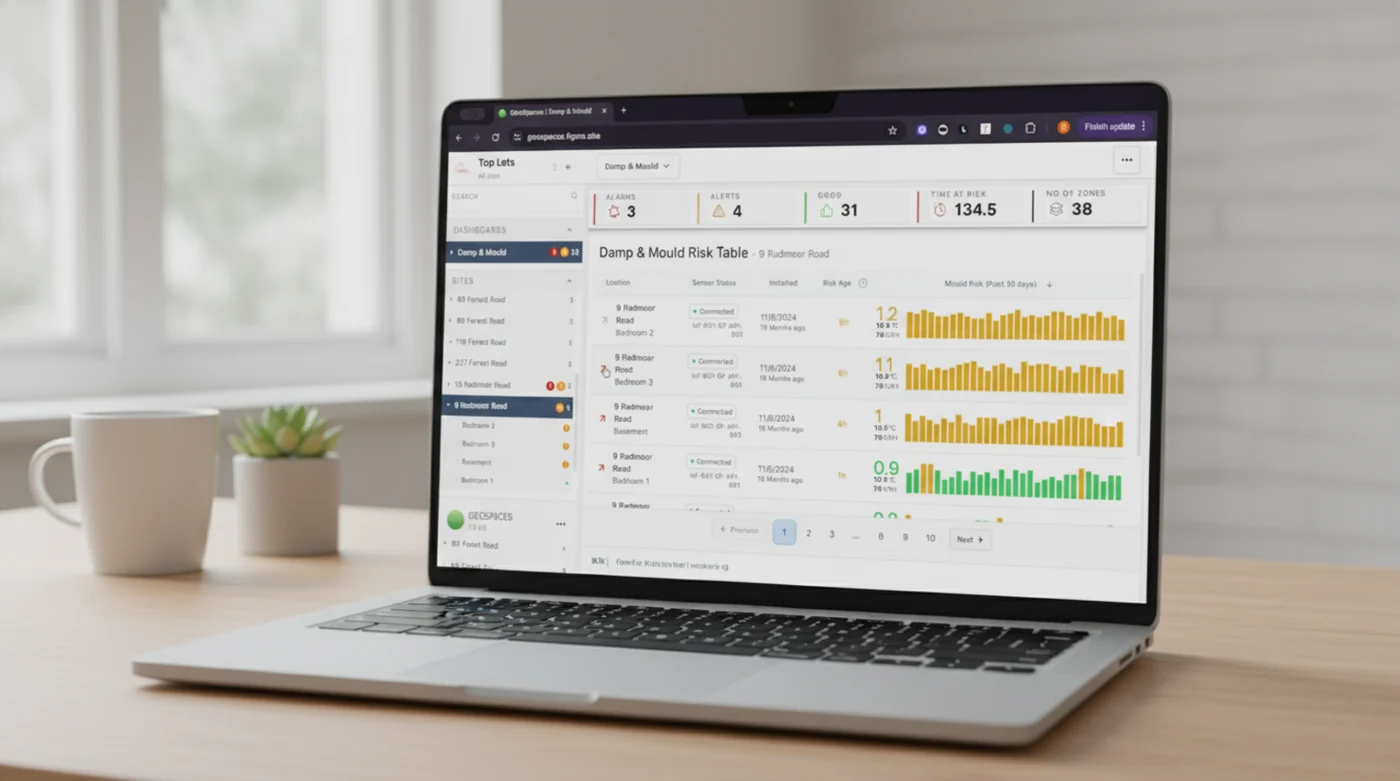
Social media platforms provide opportunities for community building and peer education within tenant populations, enabling sharing of prevention tips, success stories, and collective problem-solving approaches that enhance individual education efforts. Email marketing campaigns can deliver targeted educational content based on seasonal risks, property-specific vulnerabilities, and demographic characteristics, ensuring relevant messaging reaches appropriate audiences at optimal timing. Integration with environmental monitoring systems enables automated communications alerting tenants to elevated humidity levels or environmental conditions requiring increased prevention measures, supporting proactive engagement before problems develop.
Digital Communication Strategy Framework:
- Multi-Channel Approach: Integrated platforms providing consistent messaging across touchpoints
- Personalised Content: Tailored information based on property and demographic characteristics
- Interactive Features: Two-way communication enabling feedback and dialogue
- Real-Time Updates: Immediate notification of important developments or alerts
- Accessibility Compliance: Universal design ensuring inclusive communication access
Crisis Communication and Emergency Response
Effective crisis communication protocols ensure rapid, appropriate responses when serious damp and mould problems threaten tenant health, requiring immediate action to protect vulnerable individuals whilst maintaining transparent communication about remediation efforts and timeline expectations. Crisis situations demand clear command structures, predetermined communication templates, and established escalation procedures that ensure consistent messaging across all stakeholder groups including tenants, regulatory bodies, contractors, and senior management teams.
Emergency communication must balance urgency with accuracy, providing sufficient information to enable appropriate tenant responses whilst avoiding panic that could compromise cooperative relationships essential for effective remediation. Vulnerable population identification enables targeted communication ensuring highest-risk individuals receive priority attention and appropriate support during emergency response periods. Legal compliance obligations under Awaab’s Law require specific communication protocols including hazard assessment notifications, remediation timelines, and progress reporting that maintain regulatory compliance whilst supporting positive tenant relationships throughout crisis resolution processes.
Crisis Communication Checklist:
Emergency protocols include immediate tenant notification, vulnerable population identification, alternative accommodation arrangements where required, regular progress updates, contractor coordination, and regulatory reporting compliance. Clear communication reduces anxiety whilst ensuring appropriate health protection measures.
Measuring Communication Effectiveness and Continuous Improvement
Systematic measurement of communication effectiveness enables continuous improvement of tenant engagement strategies through data-driven analysis of response rates, comprehension levels, behavioural changes, and satisfaction indicators. Key performance metrics include educational content engagement rates, problem reporting frequency and quality, prevention behaviour adoption, and tenant satisfaction scores related to communication experiences. Regular surveys and focus groups provide qualitative feedback on communication preferences, content effectiveness, and suggestions for programme enhancement.
Environmental monitoring data can validate communication effectiveness by demonstrating improved internal conditions correlating with educational programme implementation and tenant behaviour modification. Reduced emergency repair frequencies and improved early problem reporting indicate successful education delivery and positive tenant engagement with prevention objectives. Longitudinal analysis identifies trends and patterns enabling refinement of communication strategies and content development priorities. Integration with broader tenant satisfaction measurement ensures communication effectiveness contributes to overall relationship quality and operational success indicators.
| Measurement Category | Key Metrics | Data Sources | Success Indicators |
|---|---|---|---|
| Content Engagement | View rates, completion rates, sharing | Digital analytics, platform data | High engagement, positive feedback |
| Behaviour Change | Prevention adoption, early reporting | Environmental monitoring, maintenance records | Improved conditions, fewer emergencies |
| Satisfaction Levels | Communication ratings, trust indicators | Surveys, focus groups, feedback | High satisfaction, trust maintenance |
| Knowledge Retention | Comprehension tests, practical application | Assessments, observation, outcomes | Accurate understanding, correct practices |
Building Long-Term Engagement and Community Responsibility
Sustainable communication strategies extend beyond individual education to foster community responsibility and peer support networks that enhance collective prevention efforts and create positive social dynamics around property care and maintenance cooperation. Community-building initiatives including resident committees, peer education programmes, and collaborative improvement projects develop shared ownership of environmental quality and collective responsibility for early problem identification and resolution.
Recognition programmes celebrating tenant contributions to prevention success and community welfare build positive reinforcement loops that encourage continued engagement and role modelling for newer residents. Seasonal community events focusing on property care, energy efficiency, and health promotion create opportunities for informal education and relationship building whilst demonstrating organisational commitment to tenant welfare beyond regulatory compliance minimums. Long-term engagement requires consistent investment in relationship building, community development, and recognition that tenants represent valuable partners in property asset management rather than passive recipients of services. For comprehensive guidance on prevention strategies that tenants can actively support, explore our detailed analysis of preventing damp and mould in rental properties.
Legal and Regulatory Communication Compliance
Communication strategies must ensure compliance with evolving legal requirements including Awaab’s Law obligations for social housing providers and equivalent standards increasingly adopted by BTR operators and PBSA managers. Regulatory compliance encompasses specific notification requirements, documentation standards, and communication timelines that form part of statutory obligations for hazard assessment and remediation processes. Understanding these legal frameworks enables development of communication protocols that support compliance whilst maintaining positive tenant relationships throughout regulatory processes.
Documentation requirements include maintaining records of all tenant communications, educational programme delivery, and response effectiveness measurement to support regulatory inspections and continuous improvement initiatives. Data protection obligations require careful management of tenant information and communication preferences whilst ensuring appropriate information sharing supports health protection objectives. Future regulatory developments are likely to extend communication requirements across broader rental property sectors, creating incentives for proactive adoption of enhanced communication standards that demonstrate sector leadership and preparation for expanded regulatory coverage.
Ready to take control of damp & mould risks in your portfolio? Discover proven tools for compliance and tenant protection.
Frequently Asked Questions
Related Resources
For comprehensive guidance on related topics, explore our additional resources:
- What Causes Damp and Mould in UK Homes? A Comprehensive Guide for Property Portfolio Operators
- The Hidden Health Risks of Damp and Mould: Essential Knowledge for Property Portfolio Operators
- How to Prevent Damp and Mould in Rental Properties: A Complete Guide
- Awaab’s Law Explained: Essential Compliance Guide for Property Portfolio Operators